

Women and girls face unique risks for bleeding disorders and blood clots at every stage of life
Women and girls face unique health challenges related to bleeding disorders and blood clots, yet these conditions are often overlooked, misunderstood or diagnosed too late.
The ISTH Women's Health Hub was created to help change that.
Developed by the International Society on Thrombosis and Haemostasis (ISTH), the Women's Health Hub offers trusted, easy-to-understand information on thrombosis in women, hemostasis and bleeding disorders for individuals, families, caregivers, healthcare professionals and advocates alike.
Explore blood health across every stage of life, from infancy and adolescence to pregnancy, menopause and with a focus on supporting healthy aging.
One framework. Every resource.
No noise.
The ISTH Women's Health Hub is not intended to function as a separate education platform or a new repository of materials created from scratch. Its purpose is to serve as a navigational gateway to the ISTH’s authoritative resources, including clinical guidelines, peer-reviewed research, accredited training, policy statements and patient tools, organized within one framework so that patients, clinicians, researchers and policymakers can find what they need clearly and efficiently.
%20(1).png)
Resources tailored to who you are and what you need.
Latest research on thrombosis and haemostasis in women and girls
These articles highlight some of the most recent peer-reviewed research on thrombosis and haemostasis in women and girls, covering topics from hormonal risk factors and bleeding disorders to pregnancy-related clotting conditions. To explore more studies and scientific advances, view our curated research collection from the ISTH Global Public Affairs Committee.

Reducing mortality, improving outcomes, and establishing equity for women with classical haematological disease
The Lancet Haematology Commission
A landmark Lancet Haematology Commission examining the unique hematologic health challenges faced by women and girls worldwide, with recommendations for improving outcomes across menstruation, reproductive health, pregnancy and aging.

Heparin to prevent recurrent placenta-mediated pregnancy complications in women with antiphospholipid syndrome: a systematic review
Research and Practice in Thrombosis and Haemostasis
A May 2026 systematic review published in Research and Practice in Thrombosis and Haemostasis examined whether low-molecular-weight heparin can prevent recurrent placenta-mediated pregnancy complications in women with antiphospholipid syndrome.
Explore blood health across life stages
Explore how bleeding disorders and blood clots can affect women and girls throughout life, from infancy and adolescence to pregnancy, menopause and healthy aging.

Infancy and
childhood
Some bleeding and blood clotting conditions can begin early in life, even during infancy or childhood. Frequent nosebleeds, easy bruising, prolonged bleeding after injuries or procedures, or unusual swelling may be signs that something more should be evaluated. Early recognition and diagnosis can help children receive the care and support they need to stay healthy and active.

Adolescence and menstruation
The teenage years often bring important changes in blood health, especially as menstruation begins. Heavy or prolonged periods are sometimes dismissed as “normal,” but they can be a sign of an underlying bleeding disorder. Hormonal changes, birth control use and family history may also affect bleeding and clotting risks.

Pregnancy and
postpartum
Pregnancy and the weeks after delivery increase the risk of blood clots and can also affect bleeding conditions. While many changes during pregnancy are normal, symptoms such as swelling, severe headaches, chest pain, shortness of breath or heavy bleeding should never be ignored.

Midlife and
menopause
As women move through midlife and menopause, hormonal changes, medical conditions and certain treatments may affect bleeding and clotting risks. Some women experience unexpected bleeding changes, while others may face increased risk for blood clots due to age, hormone therapy or other health factors.
Healthy aging
As women age, the risk of blood clots and bleeding complications can increase due to changes in overall health, medications, reduced mobility and other medical conditions. Symptoms may be overlooked as part of “getting older,” but recognizing warning signs and understanding personal risk factors can help women stay healthy, active and informed as they age.

"Every woman’s experience is different. Providing the right care means listening closely and tailoring treatment to her individual needs."
- Lana Castellucci M.D., M.Sc.
ISTH Global Public Affairs Committee Expert,
Former World Thrombosis Day Steering Committee Chair

Health disparities and global impact
Women and girls around the world continue to face significant disparities in the recognition, diagnosis and treatment of bleeding disorders and blood clots. Symptoms are often overlooked, dismissed or misunderstood, leading to delays in care and preventable health complications.
Access to specialized care, education and diagnosis can vary greatly depending on geography, healthcare systems, socioeconomic factors and awareness among both patients and healthcare professionals. In many regions, women’s blood health remains underrecognized despite its major impact on quality of life, pregnancy outcomes and long-term health.
Improving awareness, advancing research and supporting equitable access to care are essential steps toward better outcomes for women and girls everywhere. Through education, advocacy and global collaboration, ISTH is committed to helping close these gaps and improving blood health worldwide.
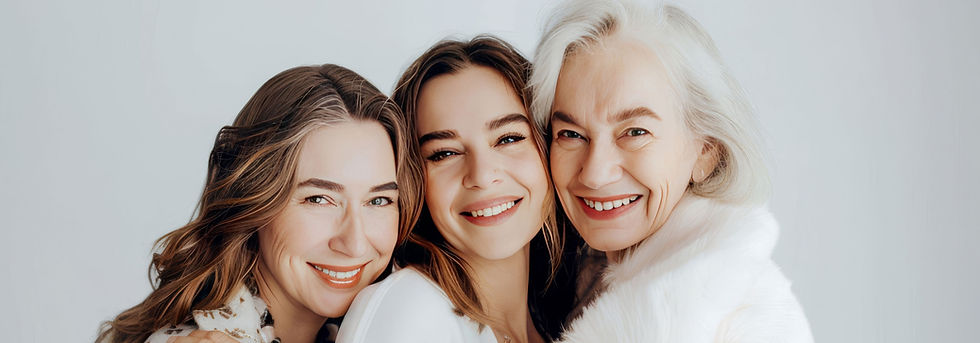
%20(4).png)
Bleeding disorders are conditions that make it harder for the blood to clot properly, which can lead to prolonged or excessive bleeding. Symptoms may include heavy menstrual bleeding, frequent nosebleeds, joint bleeds, easy bruising or bleeding after injuries, dental work or surgery. Some bleeding disorders are inherited, while others can develop later in life.
Blood clots are formed when blood thickens and sticks together to help stop bleeding after an injury. Sometimes, however, clots can form when they are not needed and block normal blood flow. Blood clots most commonly form in the legs and can travel to the lungs or other parts of the body, where they may become serious or life-threatening if not treated quickly. Understanding the warning signs and personal risk factors is an important step in prevention and early care.
Symptoms of bleeding and clotting disorders can vary widely and are sometimes overlooked or mistaken for other health issues. Heavy or prolonged bleeding, unusual bruising, swelling, leg or limb pain (elbows, ankles, knees), chest pain or shortness of breath should never be ignored. Recognizing symptoms early can help women and girls seek timely medical care and support.
Some symptoms of bleeding or blood clots require prompt medical attention. Severe bleeding, sudden swelling or pain in the leg, difficulty breathing, chest pain or symptoms that interfere with daily life should be discussed with a healthcare provider as soon as possible. Early diagnosis and treatment can help prevent serious complications.
Some bleeding and clotting disorders can run in families and may affect multiple generations. Knowing your family health history can help identify possible inherited conditions and support earlier diagnosis, screening and treatment. Sharing this information with your healthcare provider is an important part of understanding your personal risk.
Certain life stages, medical conditions, medications and lifestyle factors can increase the risk of bleeding disorders or blood clots. Hormonal changes related to menstruation, pregnancy, birth control and menopause may also affect women differently throughout life. Understanding these risk factors can help women make informed decisions about their health and care.

Questions to ask your doctor about bleeding and clotting disorders
Many women spend years wondering if their symptoms are normal. They are not always. Knowing the right questions to ask your doctor is one of the most powerful steps you can take toward getting an accurate diagnosis and the care you deserve.
The questions below are designed to help you start informed, confident conversations with your healthcare provider about heavy menstrual bleeding, blood clot risk, bleeding disorders and other conditions that affect women's blood health.

Understand what's happening
-
Is my menstrual bleeding considered normal or is it heavy menstrual bleeding?
-
What could be causing my heavy periods or abnormal uterine bleeding?
-
Could this be related to a bleeding disorder, blood clotting disorder or coagulation issue?
-
Should I be concerned about conditions like uterine fibroids, endometriosis, von Willebrand disease or a hormonal imbalance?
-

Testing and diagnosis
-
What diagnostic tests do I need to identify the cause of my heavy bleeding?
-
Should I be tested for anemia, iron deficiency or a bleeding disorder?
-
Is testing for an underlying hemostatic or clotting disorder recommended?
-
Do I need imaging, like an ultrasound, to evaluate my symptoms?
-

Impact on overall health
-
What is the impact of heavy menstrual bleeding on my overall health and quality of life?
-
Could blood loss be affecting my energy levels, iron stores or overall well-being?
-
What warning signs or symptoms indicate that I need urgent medical care?
-
How do I know if my blood loss is excessive or medically significant?
-

Treatment options
-
What are my treatment options for reducing heavy or abnormal menstrual bleeding?
-
Are there non-hormonal treatments available for bleeding disorders in women?
-
What are the benefits and risks of hormonal therapies for managing heavy periods?
-
How will treatment for a bleeding or clotting disorder affect my fertility or future pregnancy plans?
-

